Increasing diesel engine power affects more than acceleration and towing capability. It changes the demands placed on the transmission, drivetrain, and exhaust system. These systems must suit the truck’s intended use and engine output. At Weavertown Diesel, we offer Duramax-focused products for pickup owners planning engine and drivetrain projects.
How Does Increased Torque Affect the Drivetrain?
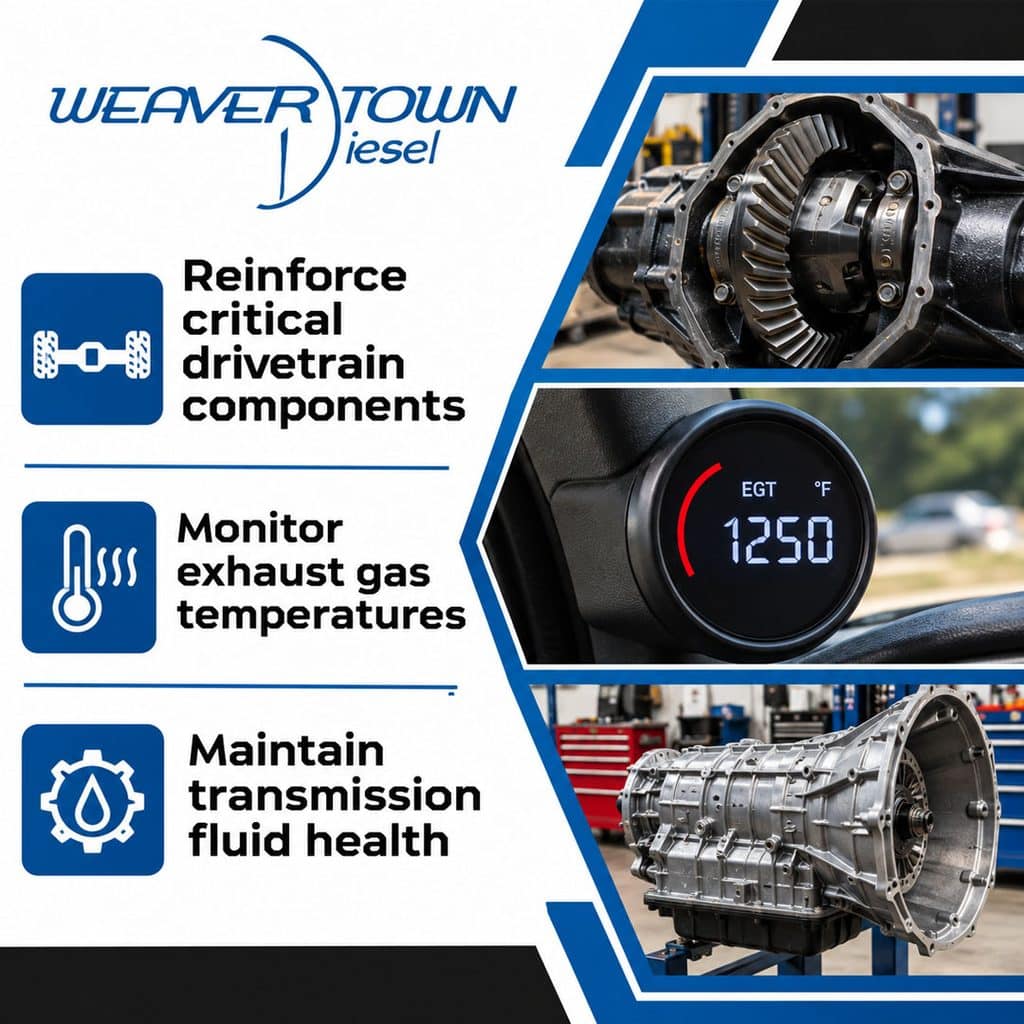
Engine torque determines the rotational force transferred through the transmission and drivetrain. When torque increases, the components responsible for delivering power to the wheels experience greater loads.
This is particularly relevant for trucks used for towing or carrying heavy cargo. A built LBZ Duramax engine may produce different torque characteristics depending on its configuration, so owners should evaluate the drivetrain alongside the engine specifications.
Key components involved in power transfer include:
- Torque converter: Connects the engine to the automatic transmission and transfers rotational force.
- Transmission clutch packs: Engage and hold selected gears during operation.
- Driveshaft: Transfers power from the transmission to the differential.
- Differential: Distributes power between the drive wheels.
- Axles: Carry power from the differential to the wheels.
The condition and capacity of these components influence how effectively a truck transfers engine power. Existing wear, vehicle use, and transmission specifications should all factor into modification plans.
How Can Increased Engine Output Affect Fuel Economy?
Higher engine output does not automatically mean a fixed increase in fuel consumption. Actual fuel economy depends on how the driver uses the available power and the conditions under which the truck operates.
Which Driving Habits Can Increase Fuel Use?
Several common driving patterns affect diesel fuel economy:
- Frequent acceleration: Repeatedly demanding high engine output can increase fuel consumption.
- Heavy towing: Moving a loaded trailer requires more energy than driving without a trailer.
- Highway speeds: Aerodynamic drag increases as vehicle speed rises.
- Extended idling: The engine uses fuel while the truck remains stationary.
- Excess cargo: Additional vehicle weight increases the energy required for movement.
Owners should consider their regular driving patterns when deciding how much additional engine output they actually need.
Why Monitor Exhaust Temperature and Backpressure?
Exhaust conditions provide information about how an engine operates under load. Exhaust gas temperature can change with fueling, combustion conditions, and engine workload. Backpressure, meanwhile, describes resistance to exhaust gas flow through the system. Excessive restrictions can affect engine operation, while unusually high exhaust temperatures may indicate that operating conditions need attention.
For modified diesel pickups, owners should pay attention to:
- Exhaust temperature readings during sustained towing or heavy operation.
- Unusual exhaust leaks or changes in exhaust flow.
- Warning indicators related to exhaust or emissions equipment.
- Operating limits specified by the engine builder.
Monitoring equipment can help drivers recognize changes in operating conditions, but readings should always be interpreted according to the vehicle’s specifications.
How To Choose an Engine for Your Truck’s Application?
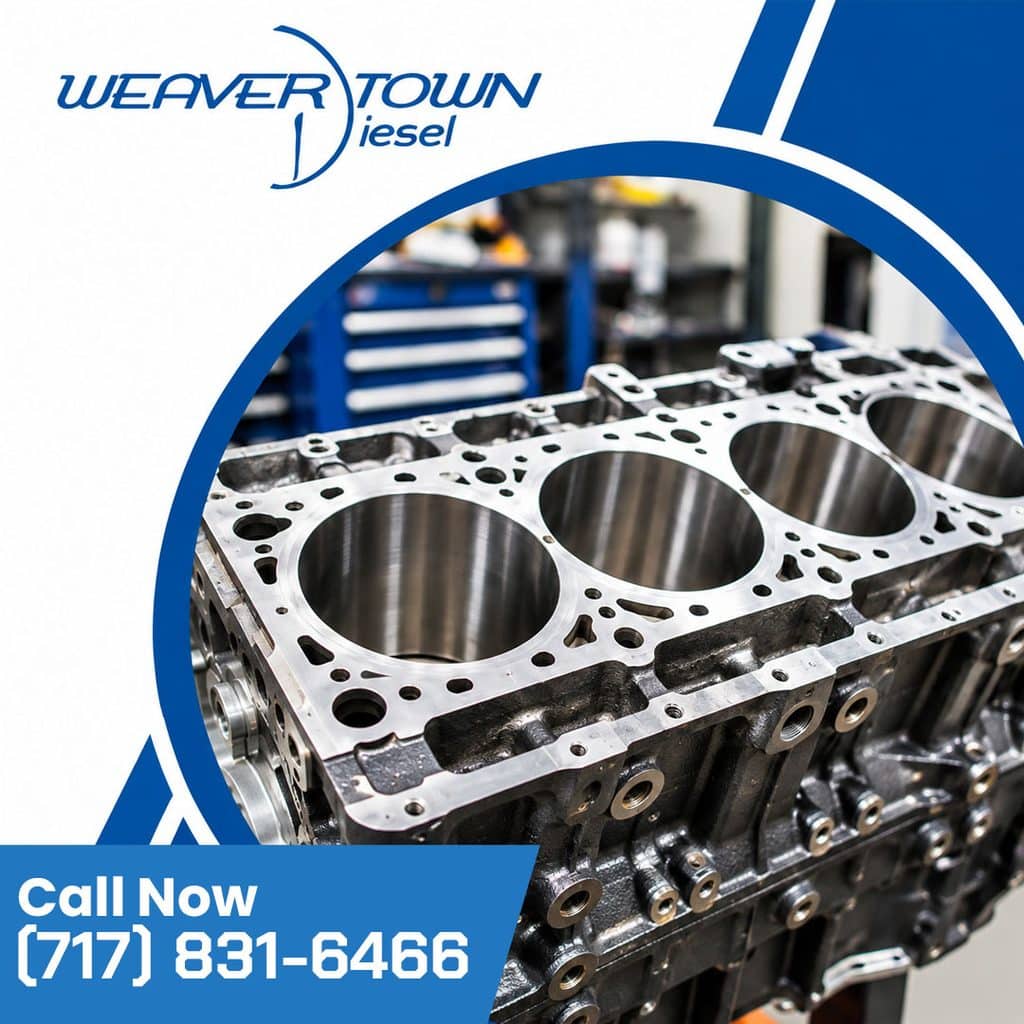
Engine selection should reflect the truck’s purpose, compatibility requirements, and expected workload. A built Duramax long block should be evaluated according to its specifications and compatibility with the rest of the vehicle. When comparing remanufactured Duramax engines, buyers should review the engine’s documented condition, included components, and applicable warranty information.
| Truck application | Main consideration | Information to review |
| Daily driving | Regular road use | Engine compatibility and drivability |
| Heavy towing | Sustained workload | Torque characteristics and drivetrain capacity |
| Performance use | Higher output demands | Engine specifications and supporting systems |
| Work truck | Frequent operation | Service requirements and intended duty cycle |
Frequently Asked Questions
Does increased engine torque change a truck’s factory towing rating?
No. Engine modifications do not change the manufacturer’s rated towing capacity. The truck’s chassis, brakes, suspension, and vehicle weight limits still apply.
Can engine tuning affect transmission shift behavior?
Yes. Engine calibration can influence torque delivery and communication between the engine and transmission. Results depend on the vehicle and tuning configuration.
Why should diesel truck owners check transmission fluid condition?
Transmission fluid lubricates and helps manage heat inside the transmission. Its condition can provide useful information about maintenance needs and possible operating problems.
Discuss Your Duramax Project With Our Team
Engine output is only one part of a truck’s overall performance. The drivetrain and exhaust system also need to suit the vehicle’s workload. Call Weavertown Diesel at (717) 831-6466 or email [email protected] to discuss our Duramax products.