A CP3 conversion kit adapts a compatible high-pressure fuel pump to a diesel common-rail system. Weavertown Diesel explains where the CP3 fits within the fuel-system layout, what the conversion changes, and which system relationships matter for a properly matched setup.
Where Does the High-Pressure Pump Fit In The Fuel System?
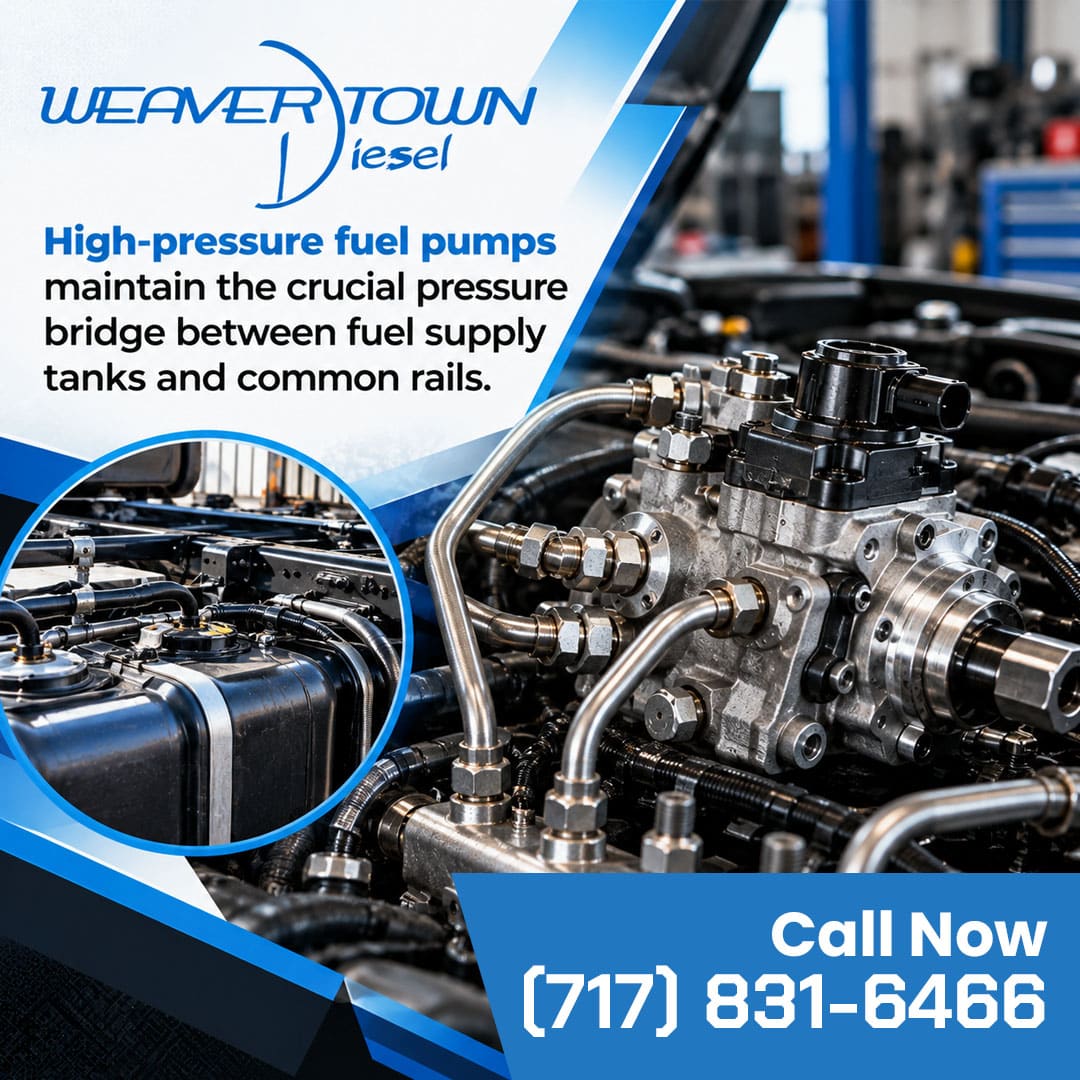
The high-pressure pump sits between the fuel supply side and the common rail. Fuel reaches the pump at a lower pressure, then the pump raises that pressure before sending fuel toward the rail.
This gives the fuel system a clear sequence:
Fuel tank → supply system → high-pressure pump → common rail → injectors → engine cylinders
Each stage has a separate function. The pump’s specific role is pressure generation, while the other components handle storage, distribution, and injection. Bosch describes the high-pressure pump as a component that supplies fuel to the rail in a common-rail diesel system.
What Changes When the Original Pump is Replaced With A CP3?
The main change is the high-pressure pump configuration. A CP3 becomes the pump used to generate the pressure needed by the common-rail system.
A CP3 conversion does not mean that the fuel tank, injectors, or engine are replaced as part of the pump change. Instead, the conversion is designed to connect the selected CP3 with the existing fuel-system arrangement. For owners considering a CP4 to CP3 conversion, this distinction helps separate the pump change from the rest of the fuel system.
Why Is Conversion Hardware Needed?
A CP3 is not simply installed in every application without regard to its surroundings. The physical and fuel-system connections need to correspond with the engine and the selected pump.
Conversion hardware provides the application-specific interface needed for that change. Depending on the setup, this can include provisions related to mounting and fuel connections.
How Does the CP3 Affect Fuel Pressure Delivery?
The CP3’s function is to generate high fuel pressure for the common-rail system. It receives fuel from the supply side and pressurizes it for delivery to the rail. The rail then provides the pressurized fuel needed by the injectors. The CP3 therefore establishes the pressure supply, while the injection system handles the subsequent delivery into the cylinders.
For an LML Duramax CP3 conversion, the important relationship is the connection between the replacement pump and the high-pressure side of the existing system.
What Parts Work Around the High-Pressure Pump?
A conversion works within a larger system, so the surrounding components still have defined jobs.
| System area | Function |
| Fuel supply | Brings fuel to the high-pressure pump |
| High-pressure pump | Increases fuel pressure |
| Common rail | Provides a shared high-pressure fuel source |
| Injectors | Meter fuel into the cylinders |
| Engine controls | Coordinate injection operation |
The LML Duramax CP3 conversion changes one part of this chain while the other system areas continue performing their respective functions.
Frequently Asked Questions
Is the CP3 located inside the fuel tank?
No. The CP3 is a high-pressure pump positioned within the engine’s fuel-delivery system rather than serving as the fuel tank itself.
Does a CP3 conversion change the fuel injectors?
Not necessarily. The conversion is centered on the high-pressure pump arrangement. Injector changes depend on the particular application and overall fuel-system plans.
Does every CP3 conversion use the same hardware?
No. Conversion hardware varies according to the pump, engine application, mounting requirements, and fuel-system connections involved.
Can a conversion be evaluated separately from the complete fuel system?
The pump can be considered on its own for basic specifications, but compatibility depends on how it works with the surrounding fuel-system components.
Discuss Your Conversion Options
For questions about CP3 conversion components and diesel fuel-system applications, contact Weavertown Diesel at (717) 831-6466 or email [email protected] to discuss the appropriate setup.